
Key Takeaways
- Social isolation affects both physical and mental health in seniors, making connection important for well-being.
- Warning signs include mood changes, a loss of interest in activities, and reduced communication with loved ones.
- Technology, in-person visits, and community programs can help combat loneliness at home.
- Senior living communities offer built-in social networks through structured activities and shared spaces.
- Transportation solutions and family support play key roles in maintaining social connections.
Social Connection for Seniors
You might notice your loved one spending more time alone or seeming less engaged with family and friends. Seascape at Naples recognizes that social isolation among seniors has become a widespread concern that affects millions of older adults across the country.
Social connection serves as a foundation for physical health, mental well-being, and maintaining independence as we age. When seniors stay socially engaged, they often experience better cognitive function, improved mood, and a stronger sense of purpose in their daily lives. Communities that focus on engaging activities and social events understand this connection.
Why Social Connection Matters for Seniors
Isolation can take a serious toll on your loved one’s health. Loneliness and social isolation in older adults can increase the risk of depression, anxiety, and cognitive decline. Physical symptoms can include changes in sleep patterns, appetite loss, and decreased energy levels.
Community connections help seniors maintain their independence longer. Regular social engagement encourages physical activity, provides mental stimulation, and creates support networks that can assist during challenging times. You’ll often see that socially active seniors feel more motivated to take care of themselves and stay involved in activities they enjoy.
Social engagement also provides structure and meaning to daily life. When your loved one has regular social commitments, it gives them something to look forward to and helps maintain a sense of routine and purpose.
Signs Your Loved One May Be Feeling Isolated
Watch for changes in your loved one’s typical behavior patterns. They might start declining invitations they previously accepted or stop reaching out to friends and family as frequently. Mood shifts can include increased irritability, sadness, or seeming withdrawn during conversations.
Pay attention to shifts in their daily routines. Your loved one might sleep more during the day, lose interest in hobbies they once enjoyed, or stop maintaining their usual self-care habits. They may also mention feeling bored or having “nothing to do” more often than before.
Physical symptoms can also signal emotional isolation. These might include fatigue, changes in eating habits, or frequent minor health issues that seem to occur more often when they’re alone.
Simple Ways to Encourage Social Activities at Home
Technology Solutions That Connect
Video calling platforms can help your loved one stay connected with family members who live far away. Smart devices designed for seniors can make technology more accessible and user-friendly. Start with simple apps and provide patient instructions on how to use them. Regularly scheduled calls give them something to anticipate.
Online communities centered around their interests can provide daily interaction opportunities. Whether it’s gardening forums, cooking groups, or local community pages, these platforms can help them connect with like-minded people from the comfort of home.
In-Person Visits and Gatherings
Create regular traditions that give your loved one consistent social interaction. Weekly family dinners or monthly game nights provide reliable connection points they can count on.
Help them connect with neighbors through informal gatherings. Morning coffee meetings or afternoon walks can develop into meaningful friendships right in their own neighborhood. Group activities like crafts or book clubs that meet in homes create intimate social settings that feel comfortable and welcoming.
How Senior Living Communities Address Social Needs
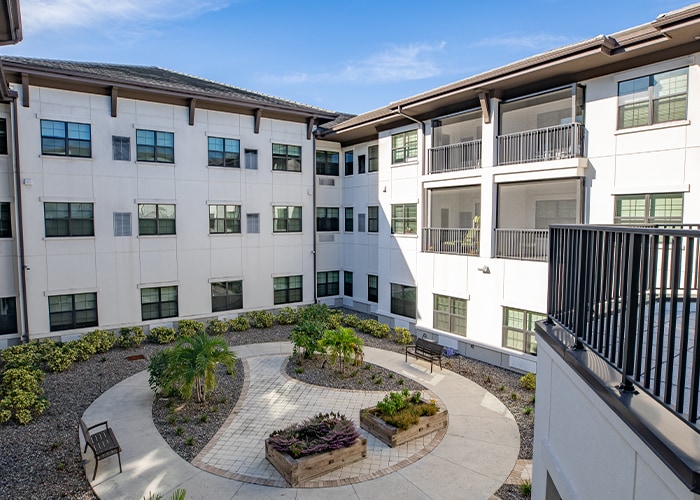
Senior living communities like independent living, assisted living, and memory care are specifically designed to combat isolation through built-in social opportunities. These communities understand that connection happens naturally when people live near others with similar interests and life experiences.
Independent living communities offer scheduled group activities, shared dining experiences, and common spaces where residents can interact daily. You’ll find everything from fitness classes to art workshops, creating multiple ways for residents to connect based on their personal interests.
Assisted living and memory care programs provide social support that’s tailored to each resident’s needs and abilities. Staff members facilitate group activities, encourage participation, and help residents build meaningful relationships with their neighbors. These communities also make it easy for families to stay involved through regular events and visiting opportunities.
Creating Lasting Social Connections
Support your loved one’s existing interests while helping them explore new ones. Meaningful activities help seniors maintain engagement and create natural opportunities for social connection. When they engage in activities they’re passionate about, social connections tend to develop more naturally around shared enthusiasm.
Consistency matters more than frequency when it comes to social activities. Regular weekly commitments often work better than sporadic large gatherings because they create reliable touchpoints your loved one can depend on.
Communities like Seascape at Naples understand that social connection isn’t just about organized activities. They create environments where relationships can flourish through everyday interactions, shared meals, and comfortable spaces designed for conversation. If you’re considering options that can provide your loved one with a more socially engaged lifestyle, exploring senior living communities can help you understand how built-in social networks can make a meaningful difference in their daily experience.